
How Professional Landscaping Can Increase Your Home’s Curb Appeal
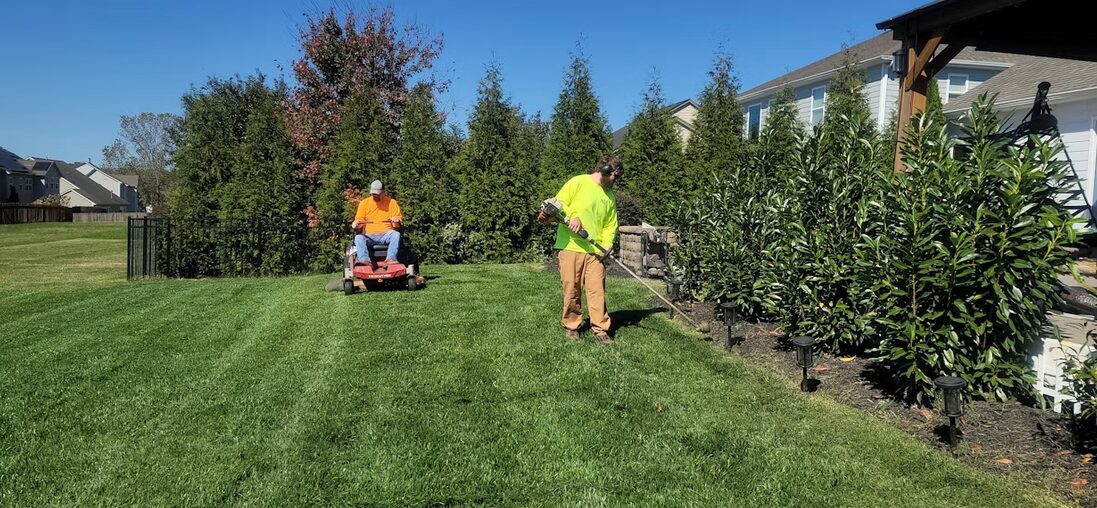
The exterior of a home creates the first impression for visitors, neighbors, and potential buyers. A well-maintained yard, healthy plants, and carefully arranged outdoor features can make a property look more inviting. However, achieving a polished appearance takes more than occasional mowing or planting flowers. Professional landscaping brings planning, practical knowledge, and thoughtful design together to improve how a home looks from the street. A tree service by JCJ Landscaping and snow removal can also be an option as they help maintain the property’s appearance and accessibility throughout the year. By considering the property’s layout, architecture, and natural surroundings, landscaping professionals can create an outdoor space that feels attractive, balanced, and easier to maintain.
Improving the Home’s First Impression
Curb appeal begins with what people see when approaching a property. Overgrown shrubs, patchy lawns, and neglected garden beds can make even a well-built home appear poorly maintained. Professional landscaping services can address these concerns by organizing the outdoor space and highlighting the home’s most appealing features. Landscapers assess the front yard as a whole rather than treating each plant or feature separately. They may reshape garden beds, trim shrubs, refresh lawn areas, and improve the entrance with suitable greenery. These changes can create a cleaner, more welcoming appearance without requiring major structural renovations. A well-arranged landscape also helps guide attention toward the front door and other architectural details, giving the property a more cared-for look.
Enhancing Pathways and Outdoor Features

Walkways, driveways, garden borders, and outdoor lighting contribute to the overall appearance of a property. When these features are poorly placed or deteriorating, they can affect both the look and function of the front yard. Professional landscaping can improve these areas through careful planning and suitable material choices. A clearly defined pathway can create a more direct and welcoming route to the entrance. Neat garden edging can separate lawns from planting beds, while decorative stones or pavers can introduce texture. Outdoor lighting can highlight selected plants, improve visibility, and make entrances easier to navigate after dark. These features should suit the home’s style and remain practical for everyday use. Thoughtful placement helps avoid a cluttered appearance and allows each element to contribute to the overall design.
Complementing the Home’s Architectural Style
A landscape should work with the design of the house instead of competing with it. Professional landscapers consider the building’s shape, exterior materials, colors, and architectural details when developing a plan. This helps create a consistent appearance between the home and its surroundings. For example, a contemporary house may suit simple garden beds, defined pathways, and plants with clean forms. A traditional home may be complemented by layered greenery, flowering borders, and curved walkways. The right design depends on the property and the homeowner’s preferences. Landscapers can also recommend suitable materials, such as stone, gravel, or pavers, that coordinate with existing finishes. When the outdoor design feels connected to the house, the entire property can appear more cohesive.
Selecting Plants for Visual Balance
Plant selection has a major influence on a home’s curb appeal. Different plants provide color, texture, height, and structure, but their placement matters just as much as their appearance. Professional landscapers understand how plants grow and can select varieties that suit local soil, sunlight, rainfall, and climate conditions. Combining trees, shrubs, ground covers, and seasonal flowers can create depth without making the yard look crowded. Taller plants may frame the property, while smaller varieties can define pathways or soften the edges of hard surfaces. Landscapers also consider mature plant sizes to prevent greenery from blocking windows, entrances, or walkways. Choosing suitable plants can reduce replacement costs and support a healthier garden over time. A balanced arrangement helps the landscape look appealing throughout different stages of growth.
Supporting Maintenance and Long-Term Appeal

A landscape needs consistent care to retain its appearance. Professional landscapers can create maintenance plans based on the property’s plants, lawn, and outdoor features. Regular mowing, pruning, weeding, mulching, and irrigation checks help prevent small problems from affecting the entire yard. A suitable landscape design can also make upkeep more manageable. Grouping plants with similar watering needs, choosing climate-adapted varieties, and using mulch in garden beds can reduce unnecessary work. Landscapers may identify drainage concerns or unhealthy plants before they cause more extensive damage. While professional maintenance involves ongoing costs, planned care can help protect the appearance and condition of the outdoor space. Homeowners can also discuss which tasks they prefer to handle themselves.
Increasing Perceived Property Value
Curb appeal can influence how people perceive a home before they enter it. A tidy, thoughtfully designed landscape may suggest that the property has received regular attention. For homeowners considering a sale, this first impression can be relevant to prospective buyers as they compare properties. Landscaping does not guarantee a higher selling price, since property value depends on many factors, including location, condition, and market demand. However, a well-kept exterior can make a home more presentable in photographs, viewings, and everyday visits. Improvements should be planned around the property’s condition and realistic budget rather than relying on expensive additions alone. Even modest changes, when carefully executed, can make the outdoor area feel more inviting.
Professional landscaping can improve curb appeal by bringing together suitable plants, balanced design, functional pathways, and consistent maintenance. The most effective approach considers the home’s architecture and the needs of the people who live there. With thoughtful planning, homeowners can create an exterior that looks welcoming, remains practical, and supports the property’s overall presentation.