
When Restoring Your Fire-Damaged Home Actually Doesn’t Make Sense (And What to Do)
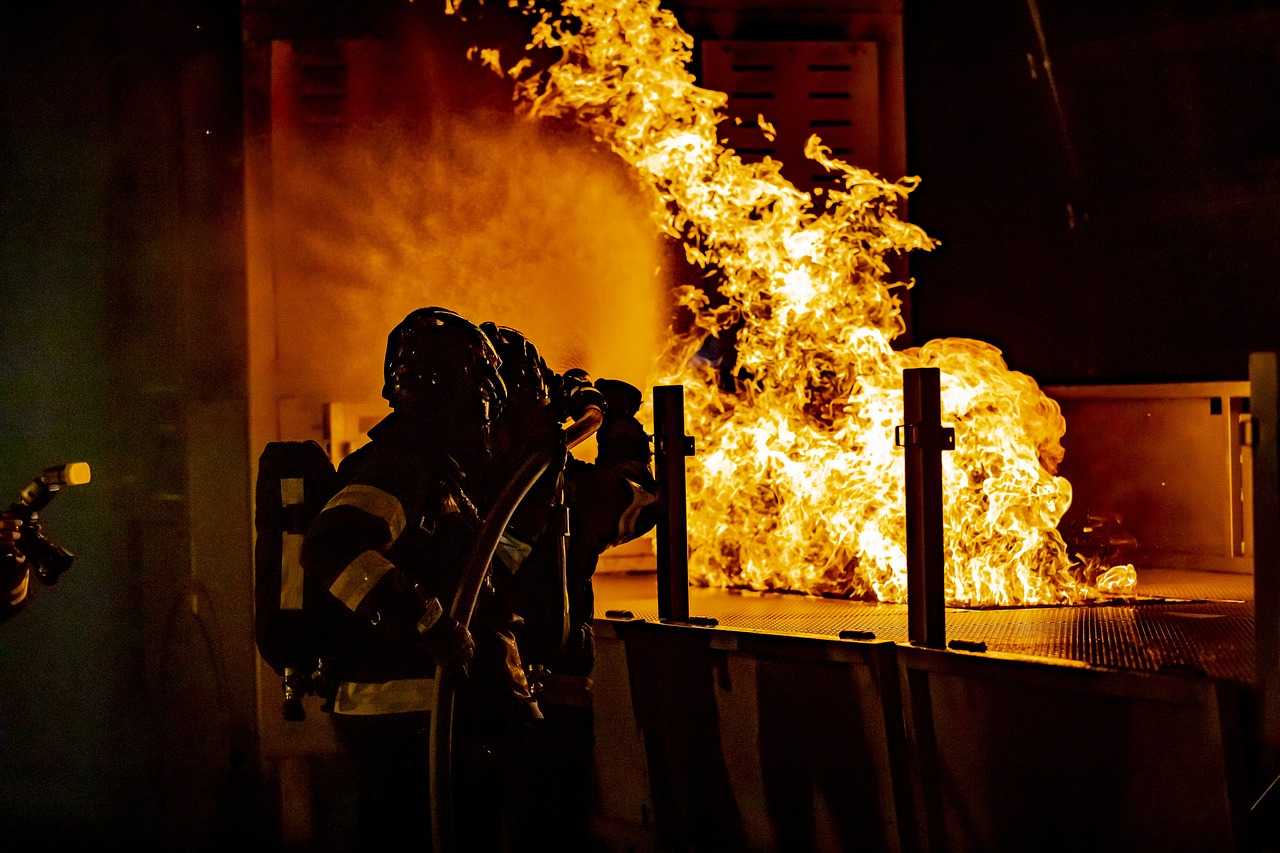
Fire damage can take a devastating emotional toll, leaving homeowners feeling lost and overwhelmed. The sight of charred walls and smoke-stained ceilings is enough to make anyone question their next steps. While the instinct may be to restore what was once a cherished space, there are times when diving headfirst into repairs just isn’t worth it. Understanding when it’s better to walk away and sell fire damage house can save you time, money, and even your sanity. Let’s explore the signs that indicate restoration might not be your best bet—and what alternatives exist for moving forward with peace of mind.
Extensive Structural Damage
When a home suffers extensive structural damage from a fire, restoration can quickly become complicated. Crumbling foundations and compromised walls may hide underlying issues that are not immediately visible. Repairing these problems often demands more than just cosmetic fixes. It requires a thorough assessment by professionals who understand building codes and safety regulations. This can lead to increased costs that far exceed initial estimates. In fact, some structural damages might render the property unsound or unsafe for habitation. If you find yourself in this situation, consider whether investing time and money into repairs is worthwhile.
Outdated Property Design
When a home suffers fire damage, the aftermath often reveals issues beyond just smoke and charred walls. One of these is outdated property design. Many older homes come with layouts that no longer meet modern living standards. These designs can feel cramped or awkward, making them less appealing to potential buyers after restoration. Renovating such spaces might not yield the desired results. Investing in extensive renovations can be costly and time-consuming. You could end up pouring money into a structure that still feels dated once you’ve finished.
Buyers today crave open spaces, updated amenities, and energy-efficient features. If your property lacks this appeal, it may sit on the market longer than anticipated—even if restored beautifully after fire damage.

Health Hazards That Persist
After a fire, the damage isn’t just limited to visible destruction. Hidden health hazards often linger long after the flames are extinguished. Smoke and soot can infiltrate walls, carpets, and ventilation systems. These contaminants may release harmful toxins into your living space. Breathing in these hazardous particles can lead to respiratory issues or exacerbate existing conditions. Mold is another concern that homeowners overlook. Then there’s asbestos—a hidden danger in older homes. If it was present before the fire, damage from flames might have released fibers into the air.
Insurance Coverage Falling Short
When a fire ravages your property, the insurance claim process is often a beacon of hope. However, many homeowners find themselves grappling with unexpected shortfalls in their coverage. Standard policies might not include comprehensive restoration expenses. You could be left covering significant costs out of pocket. This financial burden can feel overwhelming after already facing the trauma of losing your home. Underinsurance is another pitfall. Many assume their coverage mirrors current market values, but it may only reflect outdated assessments. As rebuilding prices soar, this gap becomes painfully clear.
Finding a Buyer Who Buy Fire-Damaged Properties
When weighing the options for a fire-damaged home, selling may be the most practical choice. Many buyers specialize in properties that require significant repairs or renovations. These investors often look for opportunities to restore homes and get them back on the market. So, it’s best to work with real estate agents who have experience in handling fire-damaged properties. They know how to reach interested parties and negotiate deals that work for both sides. That’s why your focus should shift from restoration efforts to presenting your property as an appealing investment opportunity.